
Termites rarely announce themselves. Most homeowners find them by accident, like a pile of tiny pellets on a windowsill, wings near a light fixture, or a door that suddenly sticks. In Chino Hills and across the Inland Empire, two kinds cause most of the trouble. Drywood termites live inside the wood they eat. Subterranean termites live in the soil and travel up into a structure. Knowing which signs point to which kind helps you describe what you're seeing when you call for an inspection.
Here are seven signs worth paying attention to.
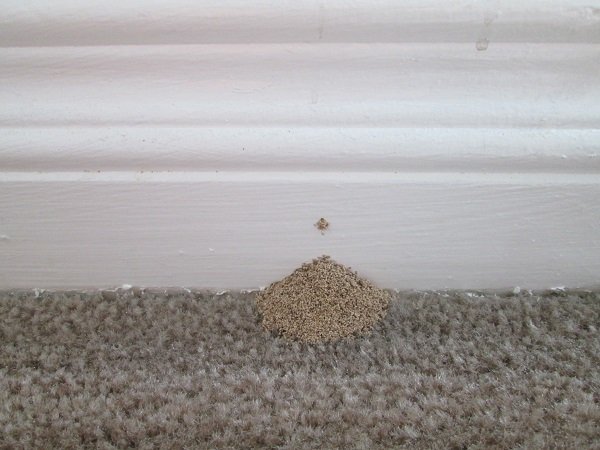
1. Frass (Termite Pellets)
Drywood termites push their droppings out of small kick-out holes in the wood. The pellets are tiny, hard, and often look like coarse sand or ground coffee. They pile up on windowsills, baseboards, attic floors, and garage shelves. If you sweep them up and they come back in the same spot, that points to activity in the wood above.
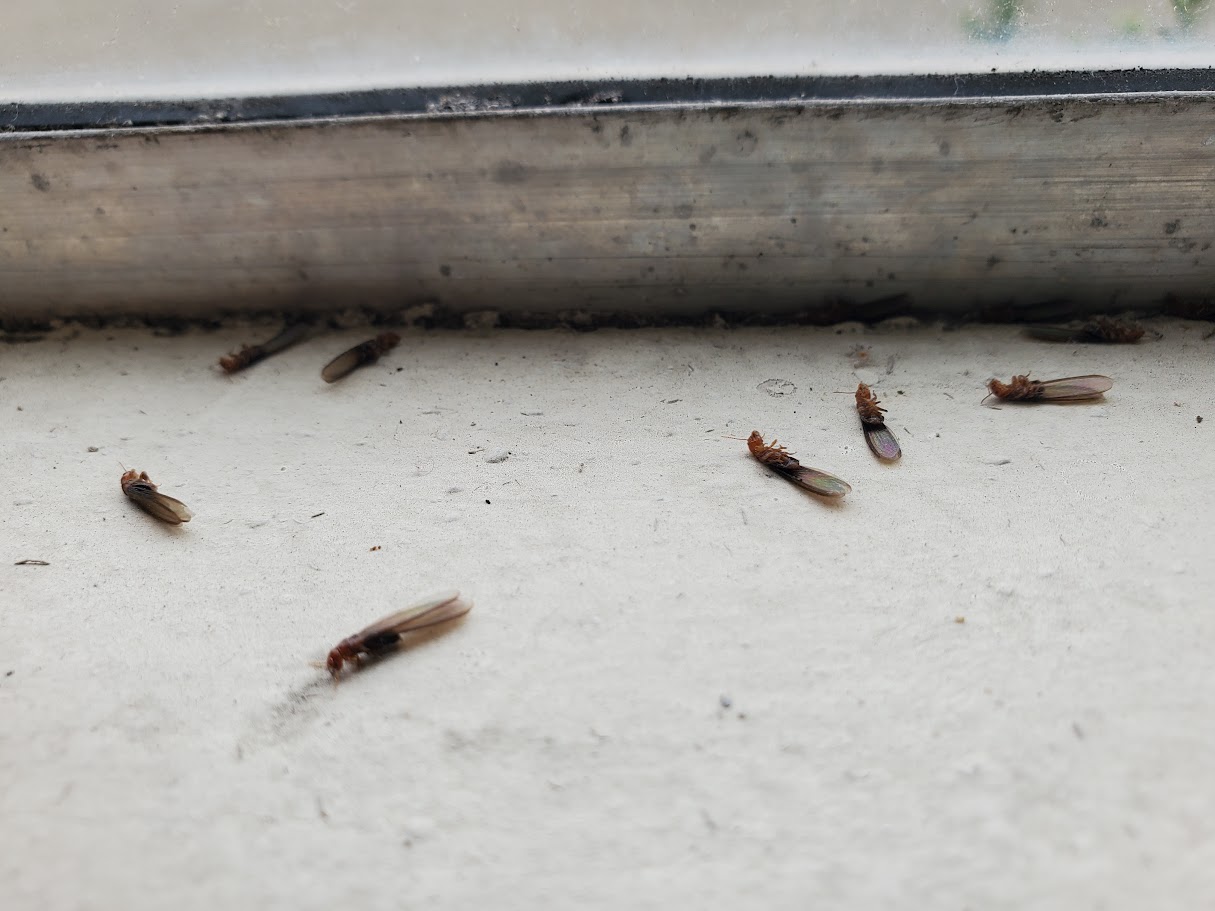
2. Discarded Wings and Swarmers
Termite colonies send out winged reproductives, called swarmers, to start new colonies. After a swarm you may find small, uniform wings near windows, doors, and light sources. Termite wings are all the same length, which helps tell them apart from flying ants. Both drywood and subterranean termites can swarm, so wings alone don't tell you which kind you have.
In our area, drywood termites typically swarm from July through October, with the strongest activity from August through November, usually on warm, dry afternoons and evenings. Subterranean termites tend to swarm from February through May after rain, and again from September through December with the first fall rains.
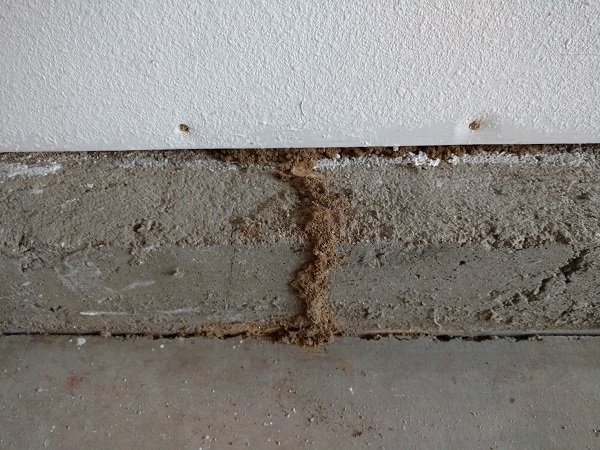
3. Mud Tubes
Subterranean termites need moisture, so they build pencil-width tubes of soil and debris to travel between the ground and the wood. Look along foundations, crawlspace walls, garage slabs, and the inside of cabinets near plumbing. Mud tubes are one of the clearest signs of subterranean termites. If you break one open and it's rebuilt later, the colony is active.
4. Hollow-Sounding or Blistered Wood
Termites eat wood from the inside out and often leave a thin outer surface intact. Tap the wood with a screwdriver handle. Damaged wood can sound hollow or papery, and the surface may look blistered or rippled. Fascia boards, rafter tails, door frames, and trim are common places to check.
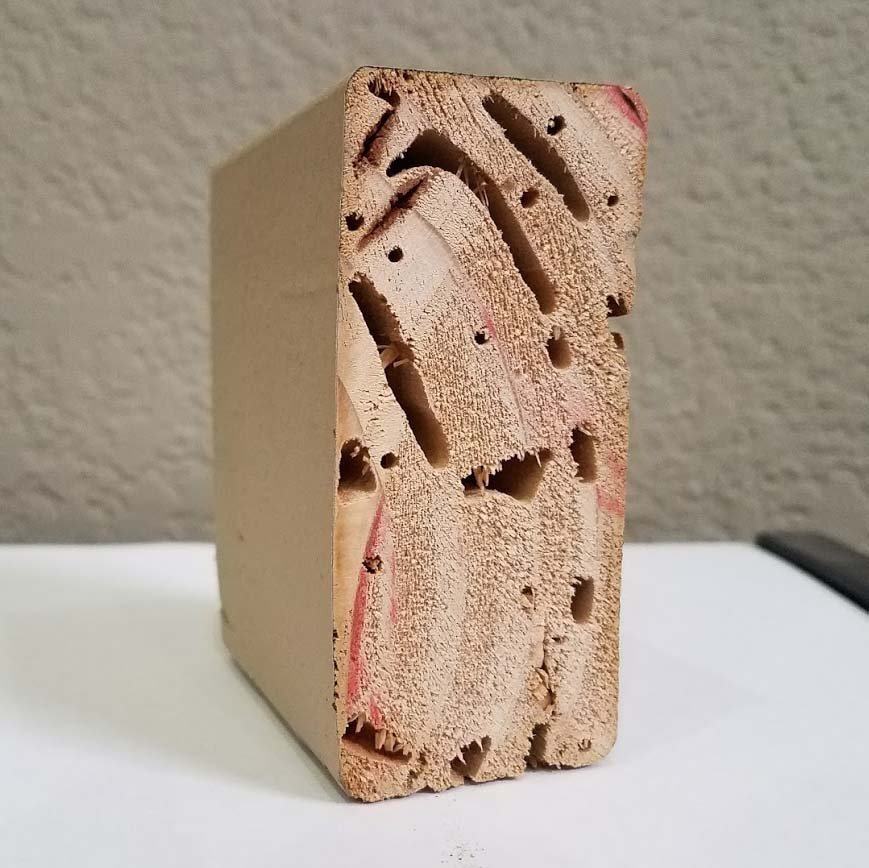
5. Tight Doors and Windows
Termite activity can add moisture and distort the wood around frames. Doors and windows that suddenly stick or won't latch can have a lot of causes, including weather and settling, but it's worth looking closer when it happens alongside any of the other signs here.
6. Bubbling or Peeling Paint
Paint that bubbles, sags, or peels without an obvious reason can mean moisture or termite activity underneath. Subterranean termites in particular bring moisture with them. Bubbling paint can also come from a leak, which can lead to dry rot, so either way the spot deserves an inspection.
7. Visible Swarms
Seeing termites swarm out of a wall, eave, or the soil around your home is the most direct sign of all. Swarmers usually come out of an established colony nearby. Try to take a photo or save a few in a sealed bag, since that helps with identification during an inspection.
Drywood vs. Subterranean: What It Means for Southern California Homes
Both kinds are found in Southern California, and they're treated differently.
- Drywood termites live inside the wood. The signs to watch for are pellets and kick-out holes. Depending on how far the infestation has spread and how easy it is to reach, the treatment might be a localized treatment or a whole-structure fumigation.
- Subterranean termites live in the soil. The signs are mud tubes and damage near the ground. Treatment usually means a soil treatment or another method suited to the building. Fumigation doesn't eliminate colonies living in the soil.
For a closer look at telling them apart, read our guide on drywood vs. subterranean termites.
When to Call for an Inspection
Call for an inspection if you notice any of the following:
- Pellets that keep coming back after you clean them up
- Mud tubes anywhere on or in the structure
- Wings or swarmers inside the house
- Wood that sounds hollow or crumbles
- More than one of the signs above showing up together
An inspection is also smart before buying a home, after a remodel, or if your home hasn't been checked in a while. Tiger Termite Control is a family-owned company that has served Chino Hills since 1997. During a termite inspection, we look for visible evidence and damage, explain what we found, and walk you through your options in a written estimate. If treatment is needed, see our termite treatment services.
In most cases, estimates are free when the property isn't being sold or refinanced. Inspection reports for real estate transactions, escrow, or refinancing are available for a fee.
Schedule Your Termite Inspection
If you've noticed any of these signs, don't wait for the damage to spread. Contact us online or call or text (909) 597-6953 to schedule an inspection.
Serving Chino Hills, Diamond Bar, Yorba Linda, Brea, Anaheim Hills, Walnut, Phillips Ranch, Pomona, Ontario, Eastvale, Corona, Norco, Riverside, Rancho Cucamonga, Upland, Claremont, and surrounding communities.
More articles
How Long Does It Take for Drywood Termites to Swarm After Invading Your Home?
How Long Does It Take for Drywood Termites to Swarm After Invading Your Home? A newly established drywood termite colony generally takes several years to mature and produce winged termites, known as swarmers or alates. However, seeing a swarm does not tell you exactly when termites first entered your home. The swarmers may be coming […]
Oranges not an alternative to whole house fumigation!
Is Orange Oil an Alternative to Whole-House Fumigation? Orange oil is sometimes advertised as a natural alternative to whole-house fumigation for drywood termites. Orange-oil products can kill termites when properly applied to a located infestation, but they are localized treatments. They do not provide the same coverage as whole-structure fumigation. That does not mean every […]
Save Your Home From Termites by Recognizing Four Important Indicators
4 Signs of Termites in Your Home Termites often remain concealed inside wood, walls, or soil. In many cases, homeowners notice evidence of termites long before they see the insects themselves. Southern California homes may be affected by both drywood and subterranean termites. Because these termites behave differently and require different treatments, identifying the type […]